

 English
 Français
 Italiano
 Norsk bokmål
 Español
 English (USA)
 Deutsch
 Nederlands
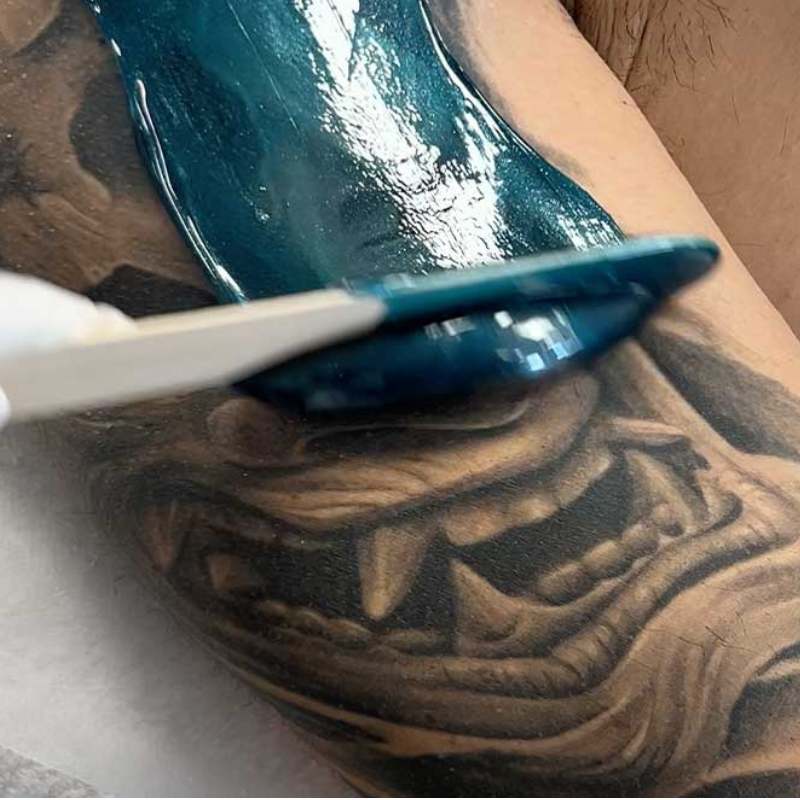
Everything You Need to Know About Safety, Healing, and Skin Care when waxing Tattoos
When it comes to waxing and tattoos, three aspects are essential: safety, healing, and aesthetics.
Can you wax over a tattoo without damaging it? Does waxing affect tattoos in the long run? How do you ensure the skin is healthy enough for both waxing and tattooing?
Understanding these dynamics ensures the best results for both beauty professionals and clients — and that’s exactly what we’ll explore here.
Waxing Before a Tattoo
Why waxing before getting inked?
Hair removal creates a clean and smooth surface, which is crucial for tattoo precision. Any hair in the tattoo area can interfere with stencil application, affect the needle’s performance, and even introduce bacteria into the wound. Artists need full visibility and control — waxing before the session allows for more precise placement and sharper lines.
While shaving is common, waxing offers longer-lasting results and a smoother skin texture. Unlike razors that only cut hair at the surface, waxing removes it from the root, delaying regrowth during the initial healing phase.
When and how to wax before a tattoo
Timing is everything. Ideally, waxing should be done 24 to 48 hours before the tattoo session. This gives the skin time to recover from redness, irritation, or minor bumps caused by waxing. Using a professional-grade wax reduces stress on the skin, which is especially important for large or sensitive areas.
Professionals should always:
- Use disposable spatulas to prevent cross-contamination.
- Apply pre-wax oil or cosmetic powder to reduce skin adhesion and enhance hair removal.
- Use a calming post-wax lotion suitable for pre-tattoo preparation.
The goal is to avoid micro-lesions or breaking the skin barrier before tattooing.
What if waxing is done too close to the tattoo appointment?
Waxing right before a tattoo session is risky. The skin needs recovery time; otherwise, the combined trauma of waxing and tattooing can increase inflammation and infection risks. Sensitive skin may also react poorly to stencil fluids, making design transfer difficult.
So, can you wax before a tattoo? Yes — but only with the correct timing and methods.
Waxing Over a Tattoo
Is it safe to wax tattooed skin?
Yes, waxing over tattoos is safe — but only once the tattoo is fully healed. When the epidermis has returned to normal, waxing won’t damage the ink, distort the design, or harm the skin. Always consult with the tattoo artist to confirm when the skin is ready.
That said, not all waxes are suitable. Professionals should avoid overly aggressive formulas that can irritate sensitive tattooed areas.
How long should you wait after getting a tattoo before waxing?
Most tattoo artists recommend at least 4–6 weeks for complete healing. This varies depending on tattoo size, location, and individual healing speed. Waxing should be avoided until:
- The skin is free of scabs, peeling, or flaking.
- There’s no pain, tightness, or redness.
- The tattoo looks stable with fully integrated colors and lines.
Safe answer: Wax only after full healing with no signs of irritation.
Does waxing affect tattoo color or sharpness?
Contrary to popular belief, waxing doesn’t pull ink out of the skin. Tattoos sit in the dermis, while wax only affects the epidermis. However, aggressive techniques can temporarily cause redness or swelling that hides the tattoo.
Over time, regular waxing can actually enhance tattoo clarity by removing dead skin cells and hair that dull the design. A smooth, hair-free surface makes colors and contours stand out more.
Best Wax Products for Tattooed Skin
What is “Tattoo Wax” or “Brazilian Wax for Tattoos”?
Tattoo wax is a special depilatory formula designed for tattooed or tattoo-prep skin. It typically:
- Has a lower melting point for gentler application.
- Contains soothing ingredients like chamomile or calendula.
- Avoids harsh resins or irritating synthetic fragrances.
Unlike standard waxes, Brazilian wax for tattoos minimizes skin trauma, making it ideal both before tattooing and for long-term tattoo aftercare.
When and why should professionals use tattoo-specific wax?
Using tattoo wax is not optional — it’s a professional standard. Normal wax may contain ingredients that inflame tattooed skin. Tattoo wax is carefully formulated to protect tattoo integrity while ensuring smooth results.
Best uses include:
- Before a tattoo to create a clean surface.
- After complete healing to refresh tattoo appearance.
- As ongoing maintenance to keep tattooed skin healthy and vibrant.
Post-waxing care for tattooed skin
Even with gentle waxes, redness or sensitivity can occur. After waxing tattooed areas, apply:
- Alcohol-free and fragrance-free post-wax balm or oil.
- Cooling agents like aloe vera or azulene.
- Barrier protectants against friction or UV exposure.
Avoid occlusive products that block pores or cover the tattoo. The skin must breathe and recover naturally.
Preventing irritation and tattoo fading
Repeated irritation from harsh waxing can cause mild fading. To avoid this:
- Always test wax temperature and perform patch tests.
- Never reapply wax multiple times on the same tattooed area in one session.
- Allow recovery time before sun exposure or exfoliation.
With the right technique, waxing becomes not just safe, but a valuable part of tattoo aftercare.
Final Professional Tips
For the best results:
- Never wax a tattoo less than 4–6 weeks old.
- Use tattoo-friendly waxes like Brazilian wax for sensitive skin.
- Schedule waxing 24–48 hours before a tattoo session, never the same day.
- Maintain strict hygiene standards.
Smooth skin isn’t just about looks — it’s the foundation for clean, long-lasting tattoos.